



Înțelegerea sistemelor DPF și SCR: un ghid practic pentru atelierele moderne
În cadrul atelierelor, înțelegerea modului în care aceste sisteme interacționează și a modului în care sunt influențate de componentele din amonte ale motorului este esențială pentru o diagnosticare precisă și reparații reușite.
DPF: Mai mult decât un simplu filtru
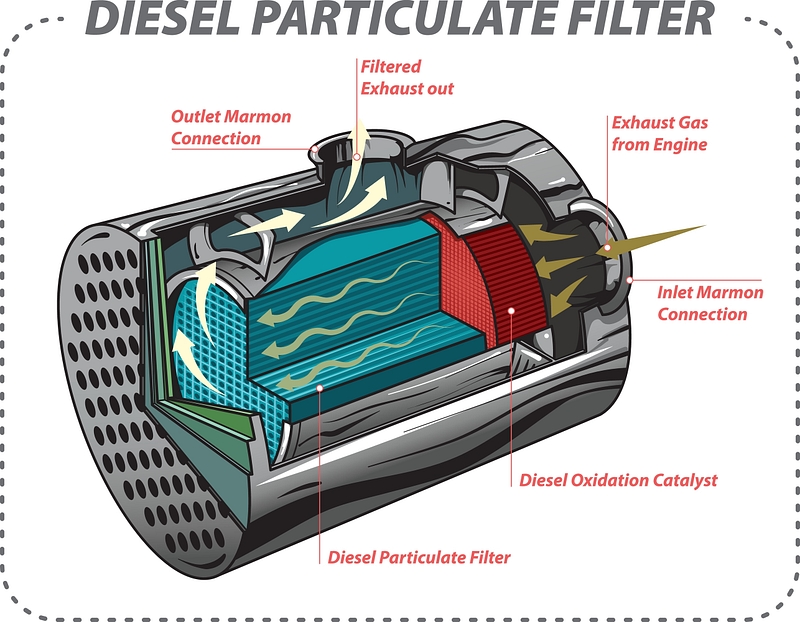
Filtrul de particule diesel (DPF) este conceput pentru a reține particulele de funingine generate în timpul combustiei, împiedicându-le să ajungă în atmosferă. Totuși, aceasta este doar o parte a poveștii.
Un DPF poate funcționa eficient numai dacă procesul de combustie din amonte este controlat și optimizat. Factori precum sincronizarea injecției, atomizarea combustibilului și eficiența combustiei influențează în mod direct producția de funingine.
Sistemele moderne de tip common rail, inclusiv injectoarele și pompele, joacă un rol crucial în acest sens. Alimentarea precisă cu combustibil asigură o combustie mai curată, reducând sarcina asupra DPF-ului și prelungind durata sa de viață. În schimb, performanța slabă a injectoarelor poate duce la acumularea excesivă de funingine și la probleme repetate cu DPF-ul.
Regenerarea, fie ea pasivă sau activă, este esențială pentru menținerea performanței filtrului. Cu toate acestea, eșecurile repetate ale regenerării indică adesea defecțiuni ascunse ale motorului sau ale senzorilor, mai degrabă decât o problemă a filtrului în sine.
SCR: Controlul precis al emisiilor de NOx
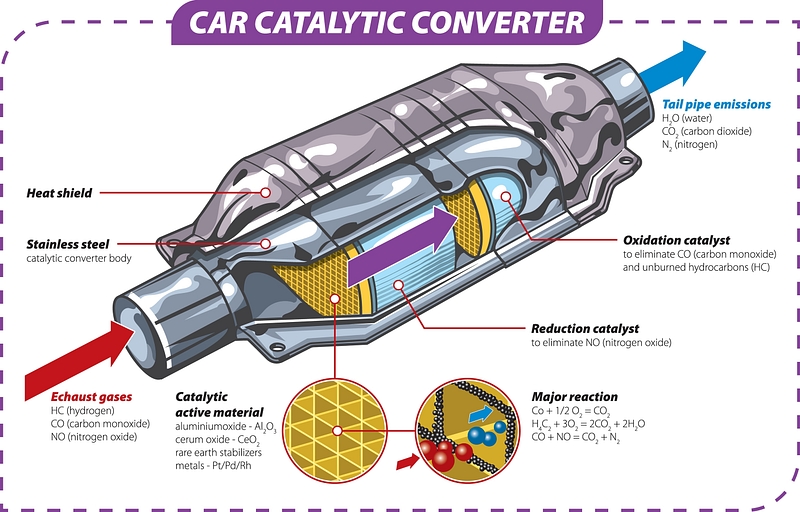
În timp ce filtrul DPF se ocupă de particule, sistemele SCR sunt responsabile de reducerea emisiilor de oxizi de azot (NOx). Acest lucru se realizează prin injectarea lichidului de eșapament diesel (AdBlue) în fluxul de gaze de eșapament, unde acesta reacționează în interiorul catalizatorului.
Sistemele SCR depind în mare măsură de date exacte și de o dozare precisă. Mai mulți senzori, precum senzorii de NOx, senzorii de temperatură și senzorii de presiune, transmit informații către unitatea de control a motorului pentru a asigura funcționarea corectă.
Chiar și cele mai mici inexactități ale acestor date de intrare pot declanșa aprinderea luminilor de avertizare, scăderea performanței motorului sau reducerea puterii vehiculului. În multe cazuri, problema nu ține de catalizatorul SCR în sine, ci de rețeaua de senzori sau de sistemul de dozare care îl controlează.
Rolul senzorilor și al sistemului de gestionare a motorului
Atât sistemele DPF, cât și cele SCR depind de o rețea de senzori și componente ale sistemului de gestionare a motorului care funcționează în armonie.
Componentele cheie includ:
- Senzori de temperatură a gazelor de eșapament (EGTS)
- Senzori de NOx
- Senzori de debit masic de aer (MAF) și de presiune absolută în colector (MAP)
- Senzori lambda (de oxigen)
- Componente ale sistemului de alimentare cu combustibil, precum injectoarele și pompele de tip common rail
Acestea nu sunt piese izolate, ci formează un sistem integrat care influențează în mod direct performanța în materie de emisii.
DENSO, având o tradiție solidă în domeniul echipamentelor originale (OE), a dezvoltat o gamă largă de componente pentru managementul motorului și pentru motoarele diesel, inclusiv senzori, injectoare și piese pentru sistemul de alimentare cu combustibil, concepute pentru a respecta specificațiile OE și a funcționa ca parte a unui sistem complet.
Pentru atelierele de service, această aliniere la standardele OE este deosebit de importantă atunci când se înlocuiesc componente din sistemele critice pentru emisii, unde toleranțele și timpii de răspuns sunt esențiali.
Identificarea cauzei principale
Una dintre cele mai frecvente greșeli în cazul defecțiunilor sistemelor DPF și SCR este înlocuirea componentelor fără a identifica cauza principală.
De exemplu:
- Un DPF înfundat poate fi rezultatul unei combustii deficitare cauzate de injectoare uzate
- O defecțiune a sistemului SCR poate proveni din citiri incorecte ale temperaturii sau din defectarea senzorilor
- Consumul excesiv de AdBlue poate indica o dozare incorectă, mai degrabă decât o problemă a catalizatorului
O abordare diagnostică structurată este esențială:
- Recuperați și interpretați codurile de eroare și datele în timp real
- Verificați valorile înregistrate de senzori în raport cu valorile așteptate
- Verificați performanța sistemului de alimentare cu combustibil și starea injectoarelor
- Evaluați obiceiurile de conducere și istoricul regenerărilor
Înțelegerea interacțiunii dintre injecția de combustibil, feedback-ul senzorilor și sistemele de post-tratare este esențială pentru a rezolva problema din prima încercare.
Susținerea service-urilor cu expertiză la nivel OE
Pe măsură ce tehnologia diesel devine din ce în ce mai complexă, atelierele de service sunt chemate să diagnosticheze și să repare sisteme extrem de integrate și controlate electronic.
În acest context, expertiza derivată din sectorul echipamentelor originale (OE) devine esențială. Producători precum DENSO, care proiectează și furnizează componente precum sistemele common rail, senzorii și tehnologiile de gestionare a motorului, aduc o înțelegere la nivel de sistem care este direct relevantă pentru piața pieselor de schimb.
Pentru tehnicieni, utilizarea componentelor proiectate să funcționeze în cadrul acestor sisteme strict controlate poate contribui la asigurarea unei performanțe constante, a respectării standardelor de emisii și a reducerii riscului de defecțiuni repetate.
Concluzia finală
Sistemele DPF și SCR nu pot fi analizate separat. Performanța lor depinde în mare măsură de calitatea arderii, de precizia senzorilor și de sistemul de gestionare a motorului.
În atelierele de service de astăzi, succesul constă în înțelegerea sistemului în ansamblu, nu doar a simptomului.
Cu o abordare corectă a diagnosticării și prin utilizarea unor componente de calitate care respectă specificațiile OE, tehnicienii pot îmbunătăți precizia reparațiilor, pot reduce numărul de reveniri și pot asigura funcționarea curată și eficientă a vehiculelor moderne cu motor diesel.
Mai multe detalii despre programul DENSO Aftermarket sunt disponibile online pe acest website.