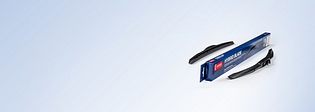
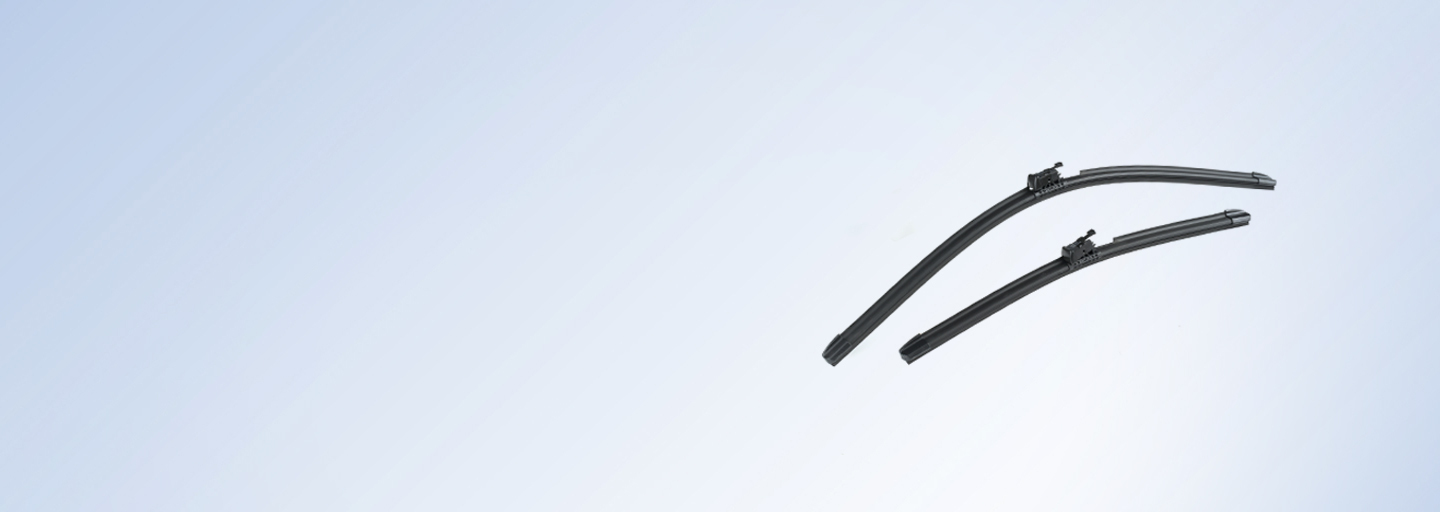
Balai d'essuie-glace ClearJet

Notre balai d’essuie-glace le plus innovant, doté de canaux intégrés pour le liquide, garantit un nettoyage uniforme et une visibilité claire dans toutes les conditions de conduite.

Balai d'essuie-glace ClearJet

Comment le balai d'essuie-glace ClearJet fonctionne ?

En intégrant des micro-jets de précision directement dans le balai, l’essuie-glace ClearJet diffuse le liquide lave-glace de manière uniforme sur toute sa longueur. Ce design avancé garantit un nettoyage régulier et homogène sur l’ensemble du pare-brise — éliminant les zones d’ombre et améliorant la visibilité par tous les temps.

Contrairement aux systèmes classiques avec buses séparées, la technologie ClearJet applique le liquide exactement là où il est nécessaire, réduisant les reflets, économisant le liquide lave-glace et maintenant une clarté parfaite même à grande vitesse. (jusqu’à 50 % d’économie de liquide)

Avec son profil bas, aérodynamique et son design plat, l’essuie-glace ClearJet allie fonctionnement silencieux, performance supérieure et esthétique moderne — établissant un nouveau standard en matière d’innovation pour le nettoyage des pare-brise.

+ versions chauffantes disponibles

+ essuie-glaces conçus pour les voitures premium (Tesla, Mercedes-Benz, etc.)
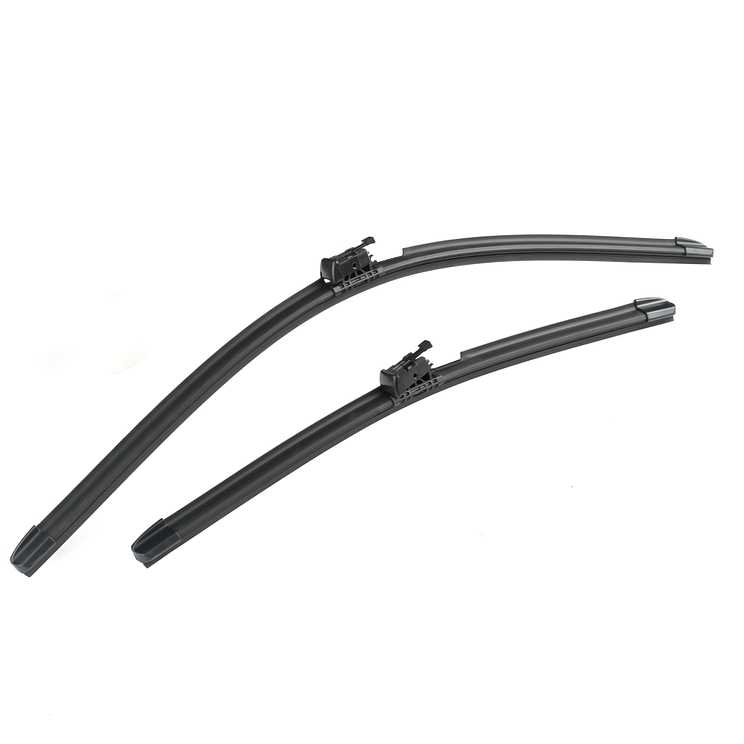
DF 438

Caractéristiques et avantages

  • Integrated micro-jets distribute washer fluid evenly along the entire blade
  • Crystal-clear visibility in all weather and driving conditions
  • Aerodynamic, flat design for quiet, efficient performance
Superior performance
ClearJet Wiper Blade ensures consistently clear visibility by delivering washer fluid directly along the full length of the blade. The uniform pressure distribution and precise fluid control guarantee spotless cleaning across the entire windscreen — even at high speeds or in challenging weather conditions.
Easy to fit
Designed with a smart OE-style connection, ClearJet Wiper Blade is simple and quick to install. The integrated fluid channel connects seamlessly to the washer system, ensuring reliable operation without complex adapters or adjustments.
Innovative design
Combining cutting-edge functionality with sleek aesthetics, ClearJet Wiper Blade features a slim, aerodynamic form that minimizes noise and wind resistance. Its advanced integrated jet system not only improves visibility but also sets a new standard in modern wiper design.

Catalogues et supports marketing

Pour plus d'information Balai d'essuie-glace ClearJet visitez notre zone de téléchargement Click here.

Installation et recherche de pannes

Les balais d’essuie-glace sont un élément essentiel du système de sécurité de tout véhicule. Pour garantir la sécurité des conducteurs et des passagers par tous les temps, ils doivent être installés correctement et toute panne doit être réparée rapidement.

Installation

Ensure you install your wiper blades correctly.
  • Firstly, read the installation guide carefully.

  • Clean the rear windshield manually (not with the old wiper blades).

  • Ensure the new wiper blades are the correct ones. It’s essential to do this early – once the old ones are removed, it can be difficult to fit them back onto the wiper arms.

  • Lift the arm off the windshield to its highest point. Some cars’ wipers need to be moved to the service position or to 12 o’clock.

  • Remove the old wiper blade and inspect the wiper arm for corrosion and imperfections. If these are evident, seek professional advice to ensure their safety isn’t compromised.

  • Gently place the arm back into position. Do not allow the arm to stand on its own or hit the windscreen, as in both cases, the windscreen will be damaged and likely need replacement.

  • Take and prepare the new wiper. Remove protective cover from the rubber, if present. Lift the arm again and install the wiper in accordance with the installation guide. Gently place the arm back into position.

  • Try operating the wiper system while vehicle is stationary.

Fault finding

Fixing faults promptly ensures optimal ClearJet Wiper Blade performance.
  • Foreign matter has attached itself to the rubber blade.

  • The edge or whole of the blade is worn.

  • The arm is at an incorrect angle.

  • The wiper blade or rubber is deformed.

  • Streaking marks on the windscreen.

  • The wiper blade jumps or vibrates as it moves across the windscreen.

  • There are spots on the screen that are left unwiped.

  • The wiper blade doesn’t make contact with the windscreen evenly, leaving large unwiped surfaces.

If you notice any symptoms of wiper blade failure, it’s worth checking the blade to make sure the arm is at the correct angle and the wiper blade is clean. If, after wiping and changing the angle, there is no improvement in performance, the blade may need replacing. It’s recommended that wiper blades be replaced every year at least.