



Cabin Air Filter: How It Works, When to Replace It & Why DENSO OE Quality Matters
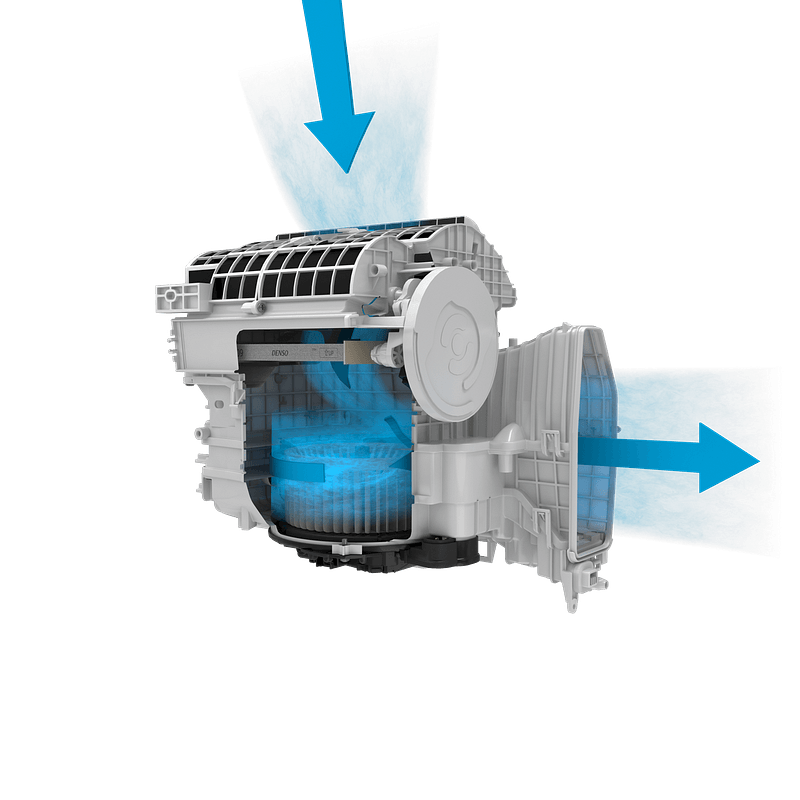
If the filter is clogged or of low quality, airflow drops, odors increase, and the whole HVAC system becomes less efficient. In this article, you’ll learn how cabin air filters work, when to replace them, and why OE-engineered DENSO cabin air filters deliver better performance and reliability.
What Is a Cabin Air Filter and How Does It Work?
The cabin air filter is part of the vehicle’s heating, ventilation, and air conditioning (HVAC) system. It sits in the airflow path and cleans incoming air before it enters the cabin.
What does a cabin air filter do?
A high-quality cabin air filter:
- Traps dust, pollen, and allergens
- Captures fine particles (PM2.5, soot)
- Reduces traffic-related pollutants
- Neutralizes odors and gases (with activated carbon)
- Protects the HVAC system from debris buildup
Types of cabin air filters
Most modern vehicles use one of these:
- Particle filters – basic protection against dust and pollen
- Activated carbon filters – add odor and gas filtration
- Advanced multi-layer filters – include anti-bacterial or anti-allergen properties
DENSO cabin air filters use multi-layer filtration media engineered for both air quality and system performance, not just filtration alone.
Symptoms of a Dirty or Failing Cabin Air Filter
A clogged cabin air filter does more than reduce air quality — it directly affects vehicle performance and comfort.
Common signs to look for
- Weak airflow from vents
- Unpleasant odors inside the cabin
- Foggy windows or poor defogging
- Reduced cooling or heating efficiency
- Increased noise from the blower motor
Ignoring these symptoms can lead to higher energy consumption and premature wear of HVAC components.
So When Should You Replace a Cabin Air Filter?
Regular replacement is essential to maintain both air quality and system performance.
Replace your cabin air filter:
- Every 15,000–30,000 km, or
- At least once per year
Factors that affect replacement frequency
You may need more frequent replacement if you drive in:
- Urban areas with heavy traffic
- Industrial zones with higher pollution
- Dusty or rural environments
- Regions with high pollen levels
Why Cabin Air Filter Quality Matters
Not all filters are the same. Low-quality filters may fit, but they often compromise performance.
A poor filter can lead to:
- Reduced passenger comfort
- Increased strain on HVAC components
- Higher fuel or energy consumption
- Faster system wear
Choosing a high-quality filter is essential to avoid these issues.
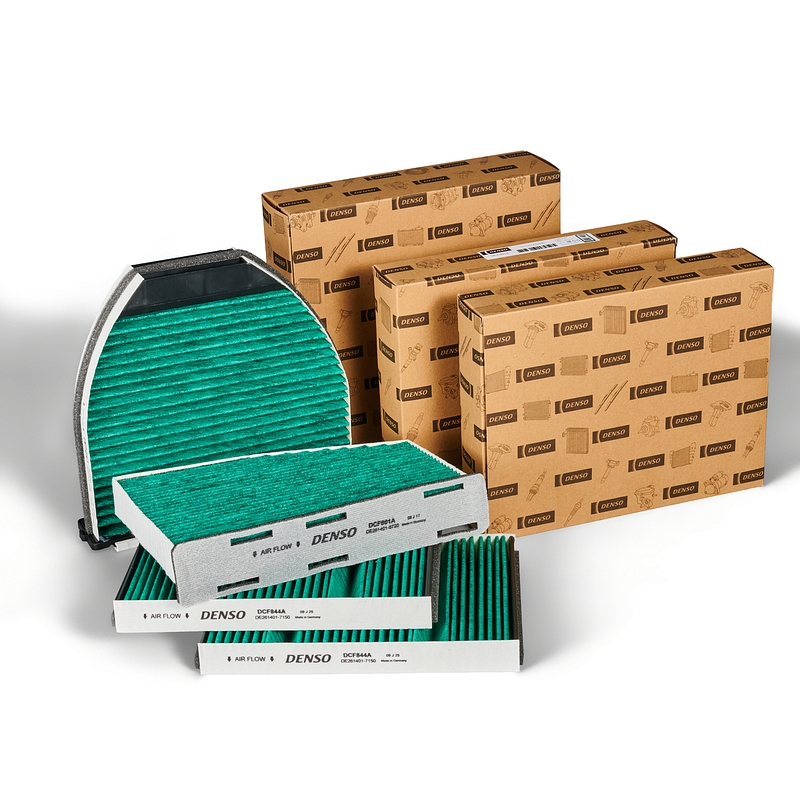
DENSO Advantage: OE Expertise in Cabin Air Filters
DENSO is not just a filter manufacturer — it is a global OE supplier of complete climate control systems, so DENSO cabin air filters are engineered as part of the A/C system
Unlike many aftermarket filters, DENSO cabin air filters are developed alongside such products as compressors, condensers, blower systems and full HVAC architectures. This system-level approach ensures:
- Optimized airflow resistance
- Balanced system pressure
- Maximum filtration without efficiency loss
- Long-term durability aligned with OE service intervals
Advanced filtration technology
DENSO filters include:
- Multi-layer media for high filtration efficiency
- Activated carbon layers for odor and gas removal
- Anti-bacterial protection to inhibit microbial growth
Precision fit and sealing
Each filter is designed for:
- Exact vehicle-specific dimensions
- Tight sealing to prevent air bypass
- Easy, error-free installation
Designed for modern vehicles
DENSO cabin air filters are compatible with:
- Automatic climate control systems
- Air quality sensors
- Multi-zone HVAC systems
- Hybrid and electric vehicles
Common Mistakes When Replacing a Cabin Air Filter
Even a simple maintenance task can go wrong if not done properly.
Avoid these common errors
- Choosing the cheapest option instead of OE-quality
- Installing the filter in the wrong direction
- Ignoring sealing and fitment
- Skipping replacement intervals
- Forgetting to check related HVAC components
Pro tip for workshops
Always check:
- Airflow direction arrows
- Housing cleanliness
- Proper sealing after installation
This ensures optimal performance and avoids callbacks.
Conclusion: Choose OE Quality for Clean Air and System Performance
The cabin air filter plays a key role in maintaining both clean air inside the vehicle and efficient HVAC system operation.
Replacing it regularly — and choosing a high-quality option — prevents airflow issues, protects system components, and ensures passenger comfort.
With OE expertise, advanced filtration technology, and precise fitment, DENSO cabin air filters deliver reliable performance that matches original vehicle specifications.
Explore the full range of DENSO cabin air filters at DENSO E-cat.