



Mastering DENSO Diesel Injector Swaps: A Clear, Step-by-Step YouTube Guide
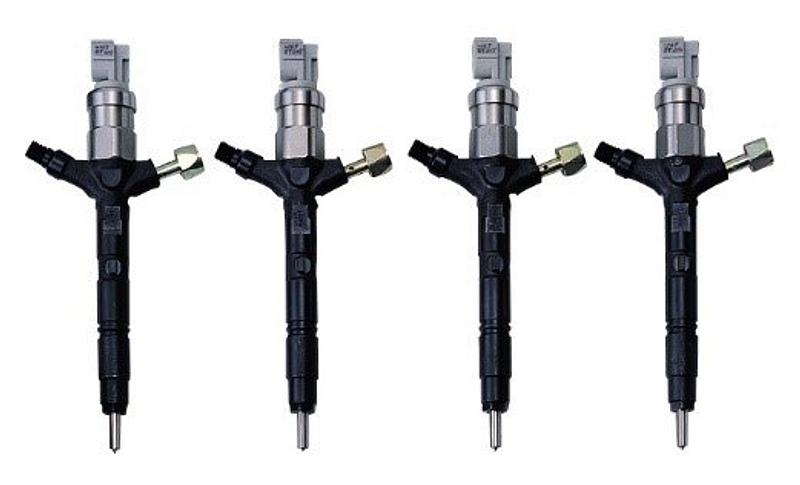
Throughout the video, there is a strong focus on maintaining clean working conditions, applying accurate torque settings, and handling delicate components without causing damage. The guide shows every step of the process, including diagnostic procedures needed after replacement.
These diagnostic procedures can vary between the different car brands.
This practical and technical tutorial is ideal for diesel mechanics or anyone working on common-rail systems. In this article, you can also find some tips and common mistakes made during this operation:
Do Not Force an Injector Out
Forcing a stuck injector can damage the cylinder head. Use the correct puller or follow the recommended extraction method.
Do Not Skip Calibration or Coding
Many common-rail systems require injector coding after installation. Skipping this step may result in rough running, poor economy, or warning lights.
Do Not Reuse Old Fuel Lines or Seals
High-pressure systems rely on perfect sealing. Reusing old components can cause leaks or hazardous fuel spray. Limit the number of times to re-use the fuel pipes (maximum described by vehicle manufacturer) and always change the seals and gaskets.
Do Not Ignore Injector Bore Condition
Carbon buildup or pitting in the bore can prevent proper sealing. Clean or recondition the bore before installing a new injector.
Do Not Neglect Fuel System Cleanliness
Dirt entering the system can cause immediate injector failure. Cap open lines and maintain a clean workspace.
Do Not Forget to Check Return Flow
Skipping a leak-off test after installation can hide underlying problems and lead to early injector failure.
Watch the full video here for a full, hands-on walkthrough of each step, along with clear explanations and guidance on avoiding common pitfalls.