



Thermostat diagnosis: how to spot the fault before overheating starts
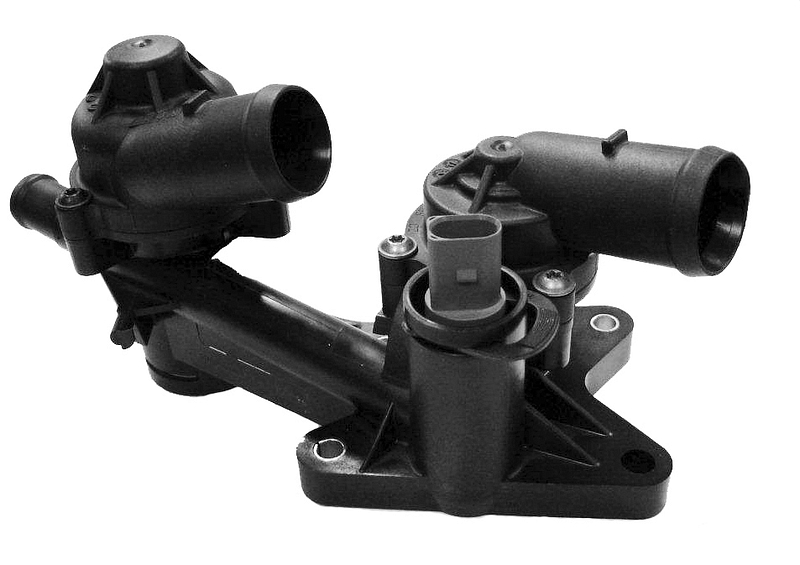
In this article, we look at the most common signs that indicate a thermostat fault - and explain why these symptoms are often mistaken for other cooling system problems.
Something’s wrong: unusual engine temperature behaviour
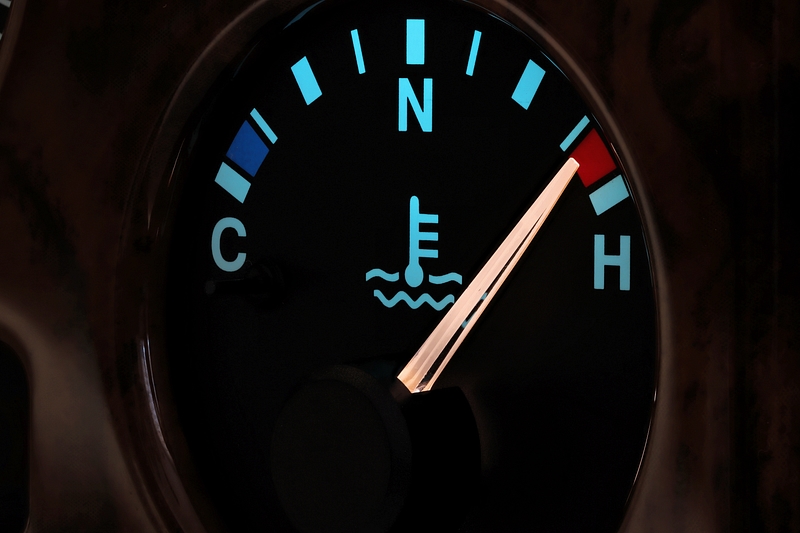
The temperature gauge is often the first indicator that something is not right.
Vehicles showing unstable, unusually low or inconsistent engine temperatures should be inspected as soon as possible, as these can be early signs of thermostat failure.
A number of cooling system faults can affect temperature - below, we outline the key clues that point specifically to the thermostat.
1. Slow warm-up
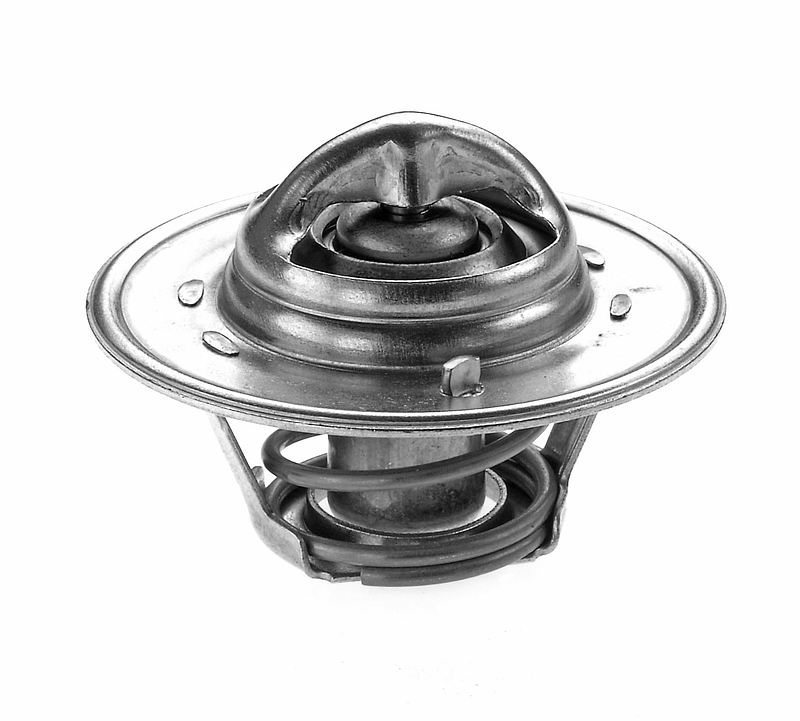
A slow warm-up is one of the most common indicators of a thermostat that is stuck open.
When this happens, coolant flows through the radiator from the moment the engine starts, preventing it from reaching its correct operating temperature.
Typical workshop observations:
• engine takes longer than normal to warm up
• temperature gauge stays below the normal range
• poor heater performance
Although this may seem like a minor issue, running too cold reduces engine efficiency and can lead to increased fuel consumption and emissions.
2. Rapid overheating
A thermostat that is stuck closed prevents coolant from circulating through the radiator.
This leads to a rapid increase in engine temperature, particularly under load.
Typical symptoms:
• temperature rises quickly after start-up
• overheating during driving or idling
• cooling fan operating constantly
In this case, overheating is the result — but the root cause is restricted coolant flow.
3. Poor or inconsistent cabin heating
Cabin heater performance is closely linked to engine temperature.
If the thermostat is not working correctly:
• warm air may take longer to reach the cabin
• heating may be weak or inconsistent
This symptom is often misdiagnosed as a heater system issue, when in reality, the engine is not reaching or maintaining the correct temperature.
4. Fluctuating engine temperature
A correctly functioning thermostat keeps engine temperature stable once operating conditions are reached.
If the thermostat is sticking or reacting slowly, technicians may notice:
• temperature rising and falling during driving
• unstable readings on the gauge
• inconsistent behaviour depending on load
This often indicates a thermostat that is partially opening or not responding reliably.
5. Fault codes that can mislead diagnosis
Modern vehicles may display fault codes related to coolant temperature.
However, these codes do not always directly identify the thermostat as the source of the problem.
For example:
• low temperature faults may indicate a thermostat stuck open
• intermittent issues may not trigger a code at all
As with many systems, diagnosis should not rely solely on electronic readings - system behaviour must also be assessed.
6. No overheating - but still a problem
A common misconception is that the cooling system is functioning correctly as long as the engine is not overheating.
However, a thermostat stuck open can still cause significant issues, including:
• reduced engine efficiency
• increased fuel consumption
• higher emissions
Maintaining the correct operating temperature is essential for optimal engine performance and durability.
Why thermostat faults are often mistaken for other problems
Because the thermostat controls coolant flow throughout the entire system, a failure can affect multiple components.
As a result, the symptoms are often attributed to:
• radiators
• cooling fans
• water pumps
• HVAC components
This makes correct diagnosis critical to avoid replacing parts unnecessarily.
What technicians should check
To correctly identify a thermostat fault, workshops should combine several checks:
• monitor warm-up behaviour and temperature stability
• compare heater performance with engine temperature
• check coolant flow and hose temperature differences
• verify correct operation of related components such as cooling fans
Looking at the whole system, rather than a single component, helps ensure an accurate diagnosis.
Why quality matters
Thermostats must operate precisely, opening and closing at the correct temperature and reacting quickly to changes.
If they do not:
• the thermal balance of the engine is affected
• other components may be stressed unnecessarily
• overall system efficiency is reduced
Choosing OE-quality components ensures reliable temperature control, correct system integration and a long service life.
Conclusion
Thermostat faults do not always result in immediate overheating, but they can still have a major impact on engine performance and efficiency.
By recognising early warning signs such as:
• slow warm-up
• unstable temperature
• poor heater performance
technicians can diagnose issues sooner, avoid misdiagnosis and prevent more serious cooling system failures.
Explore the DENSO Thermal range
DENSO’s range of thermostats is developed to meet OE specifications, ensuring precise temperature control and reliable performance across a wide range of applications.
For more information, visit the DENSO e-catalogue, the Thermostats product page, or contact your local DENSO representative.