



DENSO TechTip: Diagnosing Alternator Faults the Right Way
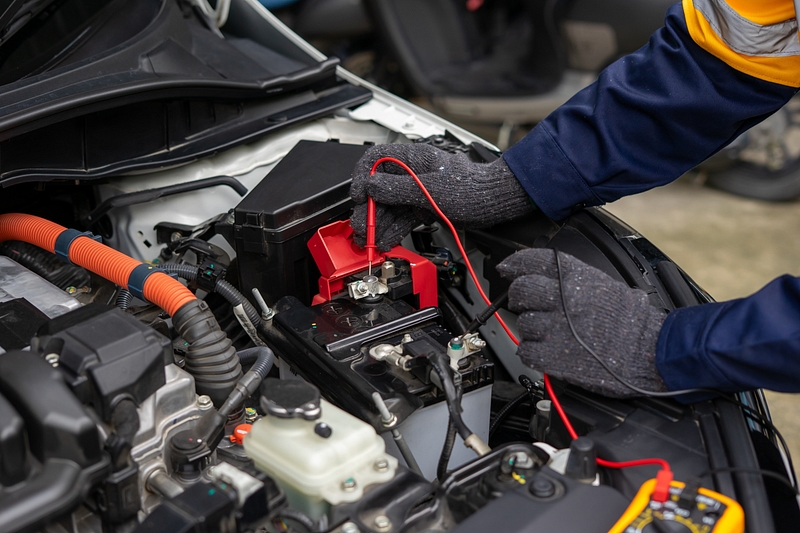
This article takes you through the basic diagnostic steps used in professional workshops to quickly narrow down the most likely causes of alternator‑related faults and avoid unnecessary part replacement.
Start with the Warning Lamp
If the battery or charging warning lamp does not illuminate with the ignition on and engine stopped, the fault is usually in the control circuit, not the alternator itself. Blown fuses, faulty bulbs, poor wiring connections or a defective regulator should be checked before considering alternator replacement.
No Charge? Check the Basics First
A no‑charge complaint is often caused by battery issues, blown fusible links, wiring faults or excessive electrical load from added accessories. Voltage drop testing is essential before condemning the alternator. Only once these checks are completed should the alternator itself be considered faulty.
Watch for Overcharging
Constant overcharging can quickly damage batteries and electrical components. Common causes include a faulty battery, poor contact at the voltage sensing terminal or a defective regulator. In most cases, regulator failure requires alternator replacement.
Intermittent Charging Is Often Mechanical
Intermittent faults are frequently traced back to incorrect belt tension, poor grounding or loose battery connections. Internal alternator faults such as failed diodes, stator windings or regulators should only be suspected after these basics are confirmed.
Abnormal Noise Is a Warning Sign
Noise from the alternator area should never be ignored. Worn belts, bearing damage (often caused by overtight belts or water ingress), defective diodes or installation misalignment are typical causes. Left unchecked, these issues can lead to complete alternator failure.
Workshop Takeaway
Following a symptom‑led diagnostic approach helps narrow faults down quickly, avoids unnecessary replacements and reduces repeat repairs. Always check the battery, belt, wiring and voltage drops before replacing an alternator.
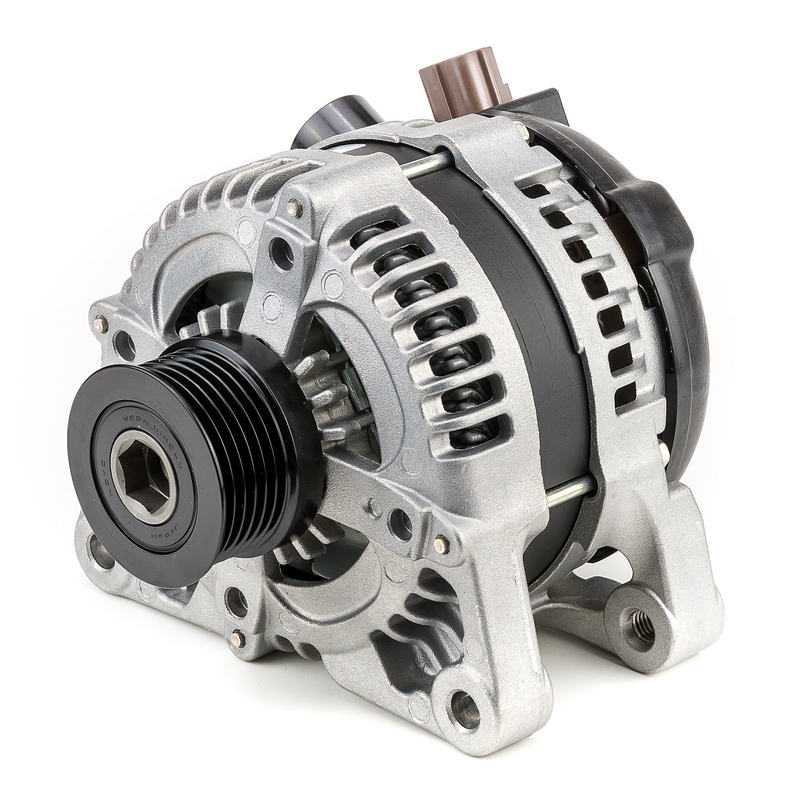
Why Choose DENSO Alternators?
DENSO alternators are engineered to the highest quality, delivering reliable output, efficient charging and long service life. With a comprehensive range covering conventional, Type III and high‑efficiency SC alternators, DENSO offers the right solution for today’s vehicles – from standard applications to high electrical demand systems.